Coming Soon
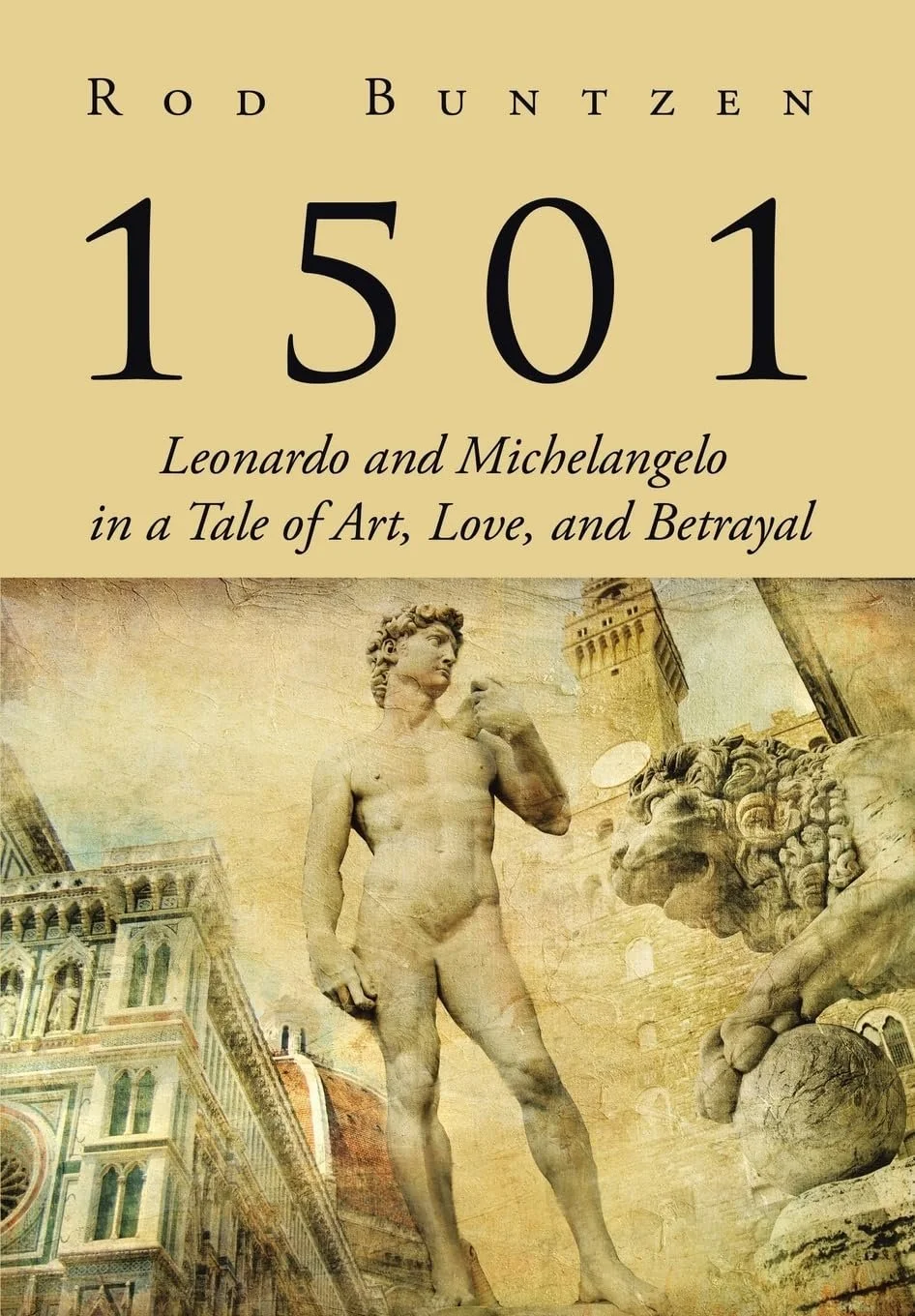
1501 - Screen Pitch
Leonardo and Michelangelo in a Tale of Art, Love, and Betrayal
Genre: Historical Drama, Romance
Format: Feature Film
Screen Pitch by: Inks and Binding Publishing, Yorba Linda, CA (9/5/25)
Logline:
When Leonardo da Vinci and Michelangelo secretly work on a painting that questions beauty and truth, a forbidden attraction threatens to destroy their reputation and themselves.
Tonal Comparisons:
Amadeus (1984) meets Call Me by Your Name (2017) with the political tension of The Favorite (2018)
Writer’s Statement:
1501 started with a simple question I couldn’t get out of my mind: what if the rivalry between Leonardo and Michelangelo was more personal than just art? What if it involved feelings they never expressed? I’m always drawn to the gap between brilliance and vulnerability. Even the most famous figures face doubts, desires, and contradictions.
This story grew from my desire to see them not as icons but as real people who were flawed, proud, and longing for understanding. I wondered what would happen if the hidden desires emerged and their creative work became a reflection they couldn’t overlook. It explores how the search for lasting things, like truth and beauty, can ultimately break down the very people pursuing them. Sometimes, the silence between us says more than anything we dare to express.
Key Characters:
Leonardo da Vinci – Charismatic, brilliant, and hard to read. He’s a painter and inventor who is driven by endless curiosity, not fame.
Michelangelo – Intense and devoted to his work. He’s a perfectionist who wrestles with guilt and struggles to come to terms with his forbidden desires.
Raphael – Hopeful and full of ambition. A young artist who looks up to the masters but slowly starts to see the cracks beneath their brilliance.
Savonarola’s Ghost – A haunting voice in Michelangelo’s mind, embodying his guilt, fear, and harsh moral judgment.
Salaì – Clever, mischievous, and loyal. He is a protective gatekeeper to Leonardo’s private world and emotions.
Machiavelli – A sharp and calculating political thinker. He keeps a close eye on the artists, ready to exploit their secrets for his own gain.
Synopsis:
When young Raphael suggests creating a painting that captures both truth and beauty, it sparks more than just artistic interest. Leonardo da Vinci, reclusive and calculating, took it as a challenge. Michelangelo, passionate and conflicted, wants no part—until a vision of Savonarola’s ghost, stern and seductive, forces him to confront his own fears and desires.
The artists started working in Leonardo’s secret workshop to begin their masterpiece. But what starts as a collaboration soon becomes volatile. Tensions rise. Feelings emerge. And in the silence of the studio, Michelangelo’s forbidden longing for Leonardo threatens to destroy them all.
Outside, Florence simmers with unrest, and Machiavelli, watching closely, as he waits for the right moment to turn art into power.
When betrayal strikes and truth is exposed, the painting becomes more than a work of art; it turns into a battlefield of pride, passion, and sacrifice. And in the end, what remains is the canvas—a haunting reflection of what was lost in the name of beauty.
Three masters. One vision. And the cost of creation? Everything.
Themes:
1501 is about what happens when genius meets vulnerability. It shows how admiration can turn into obsession, and how the need to leave something behind can weigh heavy. It’s a story of rivalry, self-control, and the quiet longing behind greatness. It asks: What do we show when we try to tell the truth—and what do we hide when beauty covers up how we really feel?
Visual World/Directorial Approach:
The film’s world starts with a sense of calm purpose, sun-washed studios, ancient stone, and the quiet discipline of creation. However, as desire creeps in and loyalties change, the balance starts to shift. The spaces feel tighter, the light becomes harsher, and the atmosphere fills with tension. Nothing explodes; everything decays slowly. Glances linger too long, words go unspoken, and the silence between the characters grows louder than their collaboration. The world itself shows the collapse—not of the painting, but of the people creating it.
Audience & Market Positioning:
1501 blends historical drama with quiet, emotional tension. It’s about rivalry, unspoken desire, and the weight that genius can carry. The story leans into character over spectacle, showing well-known figures not as legends, but as real people who are brilliant, flawed and vulnerable. It’s a strong fit for the indie festival circuit or platforms looking for bold, mature storytelling. Think “Amadeus” with the emotional restraint in “Call Me by Your Name”—a film that stays with you long after the credits roll.
Production Scope:
This is a mid-budget period film that delivers both artistic and emotional depth. Most of the story takes place in Florence and Urbino, using detailed, historical interiors and a small cast to bring the setting to life. There are a few special effects—just strong performances, period costumes, and dialogue-driven scenes that create a rich, focused atmosphere. 1501 feels intimate but still looks polished, making it a great fit for boutique studios or global streaming platforms looking for a high-quality historical drama centered on characters and story.
Why Now:
As we rethink the real people behind famous names, highlighting stories of their identity, desire, and creativity, 1501 feels more relevant than ever. It explores the pressure to perform, the silence around hidden feelings, and the need to be truly seen. By revealing the emotions of famous figures, the film asks what truly shapes a legacy—not just their work, but the courage to be themselves. This isn’t just about art, it’s about being authentic in a world full of expectations.